Archives
- 2026-09
- 2026-08
- 2026-07
- 2026-06
- 2026-05
- 2026-04
- 2026-03
- 2026-02
- 2026-01
- 2025-12
- 2025-11
- 2025-10
- 2025-09
- 2025-03
- 2025-02
- 2025-01
- 2024-12
- 2024-11
- 2024-10
- 2024-09
- 2024-08
- 2024-07
- 2024-06
- 2024-05
- 2024-04
- 2024-03
- 2024-02
- 2024-01
- 2023-12
- 2023-11
- 2023-10
- 2023-09
- 2023-08
- 2023-07
- 2023-06
- 2023-05
- 2023-04
- 2023-03
- 2023-02
- 2023-01
- 2022-12
- 2022-11
- 2022-10
- 2022-09
- 2022-08
- 2022-07
- 2022-06
- 2022-05
- 2022-04
- 2022-03
- 2022-02
- 2022-01
-
br Materials and methods br
2022-05-16
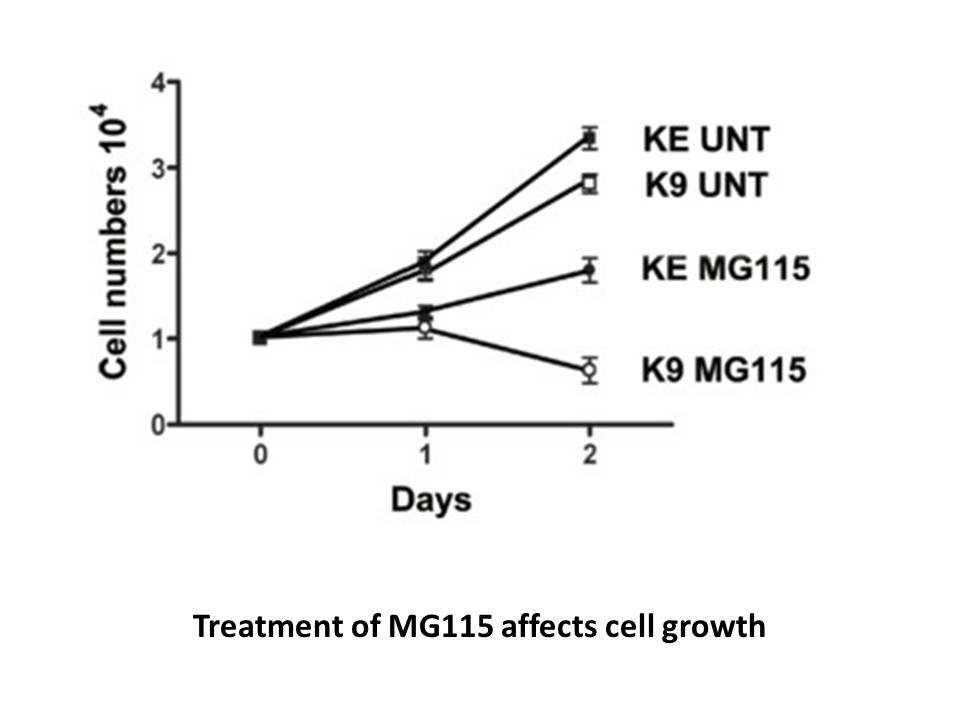
Materials and methods Results Discussion The current study validates a key role for GAL3 receptors in consummatory drive for sucrose, saccharin, and most notably ethanol intake in mice. We show that alcohol preferring mice drink less ethanol compared to wildtype mice when treated with the G
-
Irpex lacteus was well known as an edible and medicinal
2022-05-16
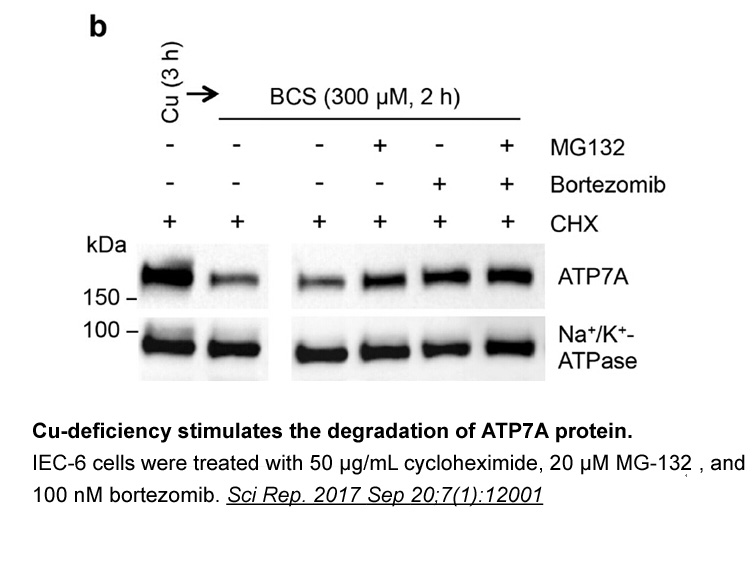
Irpex lacteus was well known as an edible and medicinal mushroom. It had been reported that I. lacteus could produce a thermostable α-galactosidase [17]. The reported α-galactosidase from I. lacteus, however, seemed to be unsuitable for the practical application due to its poor hydrolysis ability to
-
br Introduction As a fundamental metal dependent
2022-05-16
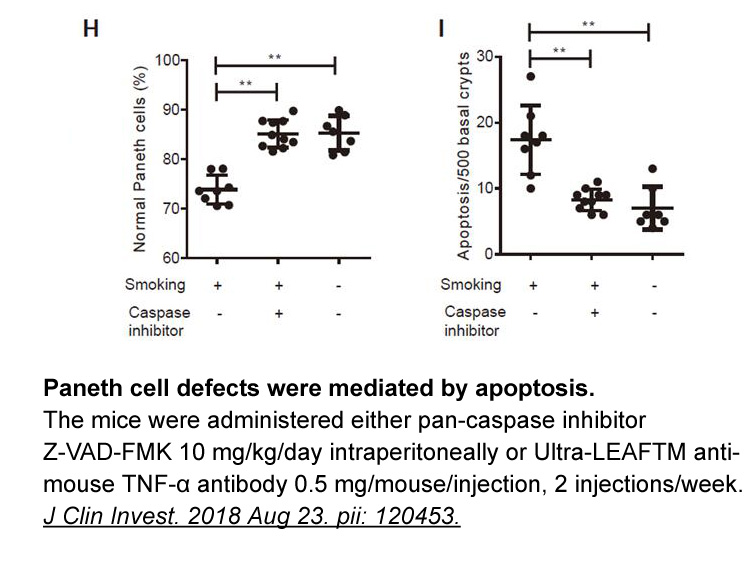
Introduction As a fundamental metal-dependent hydrolytic enzyme, inorganic pyrophosphatase (PPase) exhibits a specific catalytic ability, in which one molecule of inorganic pyrophosphate (PPi) can be transformed into two orthophosphate (Pi) ions [1,2]. The process of transformation is extremely
-
br Material and methods br Results
2022-05-16
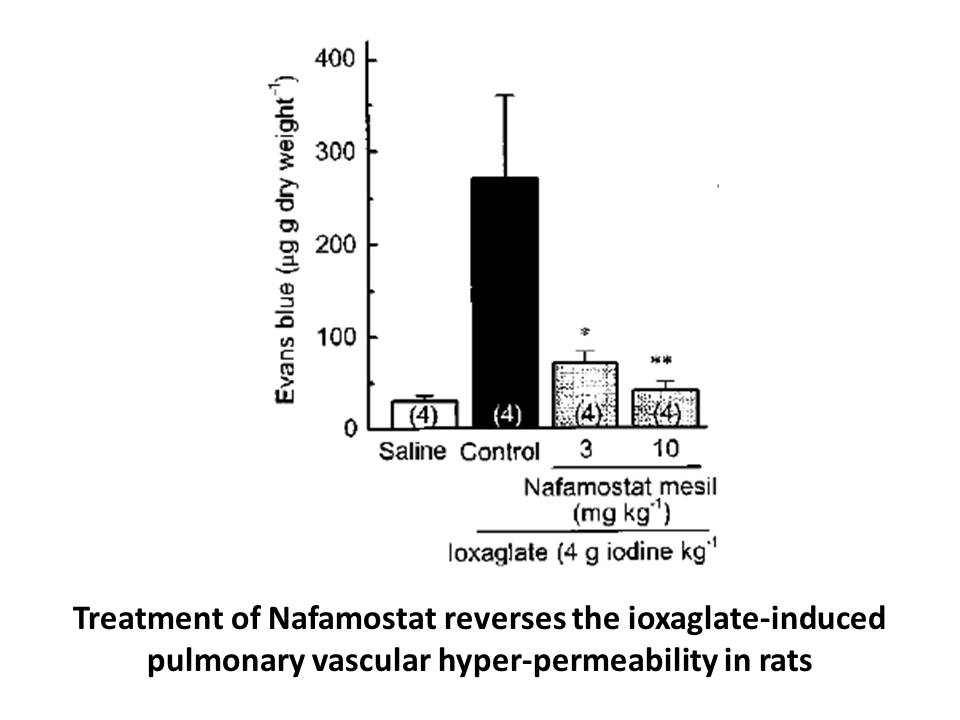
Material and methods Results and discussion Discussion It is well established that the guanosine-rich DNA sequences within telomeric DNA repeats, and in the promoter regions of a number of oncogenes or proto-oncogenes such as c-myc [20,23], VEGF [28,48,49] and Bcl-2 [21,50], can readily ass
-
The PK profile and tissue distribution of
2022-05-16
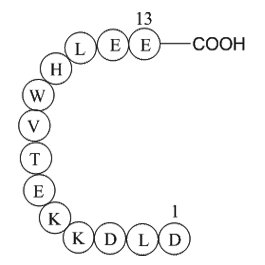
The PK profile and tissue distribution of 30, which has biological properties almost equivalent to those of 12, were examined in comparison with 12. Analog 30 was evaluated in a 6 h rat PK study at an intravenous (iv) dosing of 1 mg/kg in 10% 2-hydroxypropyl--cyclodextrin (HP-β-CD) (Table 2) and an
-
We have isolated various bioactive peptides acting by
2022-05-16
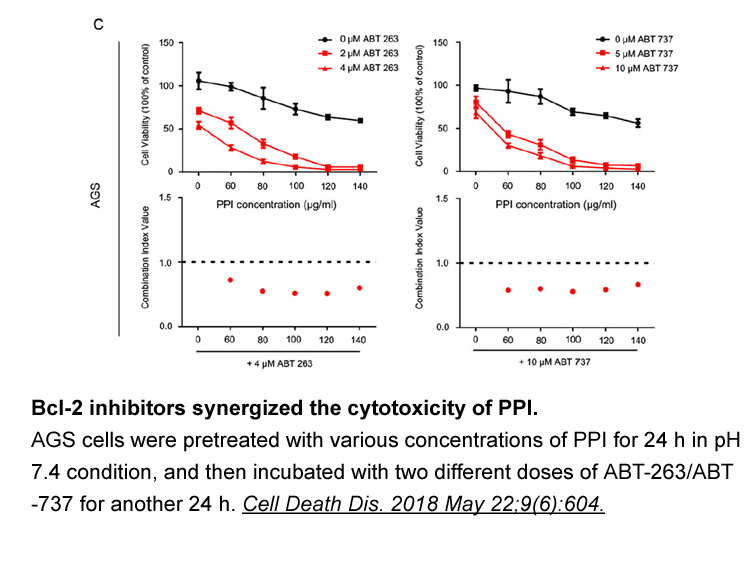
We have isolated various bioactive p0035 synthesis acting by binding to the receptors of endogenous bioactive peptides such as opioid, bradykinin, neurotensin, and complements C3a and C5a etc. [24]. Rubimetide is the first example of an agonist peptide of the FPR2 of exogenous origin. Anxiolytic-l
-
In skeletal as well as in
2022-05-16
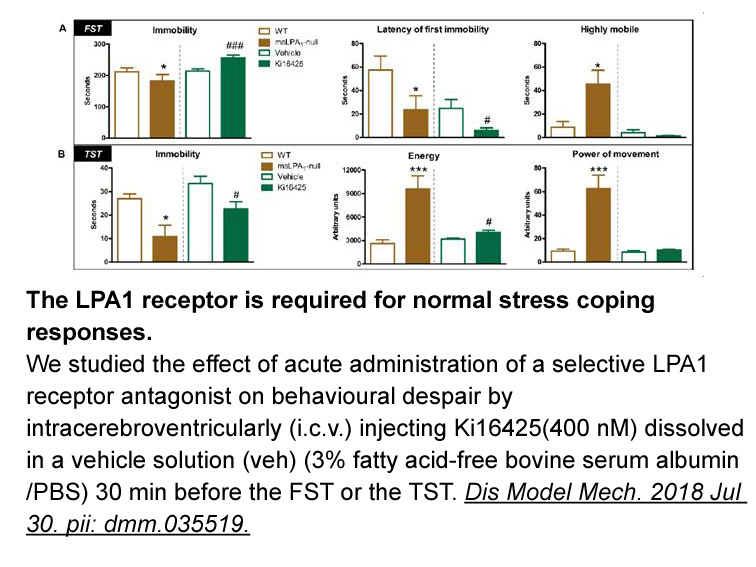
In skeletal as well as in the dopamine receptors muscle, the same FBPase isozyme is present (Gizak and Dzugaj, 2003). On the other hand, different isoforms of 6-fructo-2 kinase/fructose-2,6-bisphosphatase (FBPase-2/PFK-2) have been discovered in muscle fibres and cardiomyocytes (Okar et al., 2001,
-
Considering their good FAAH inhibitory activity compounds
2022-05-16
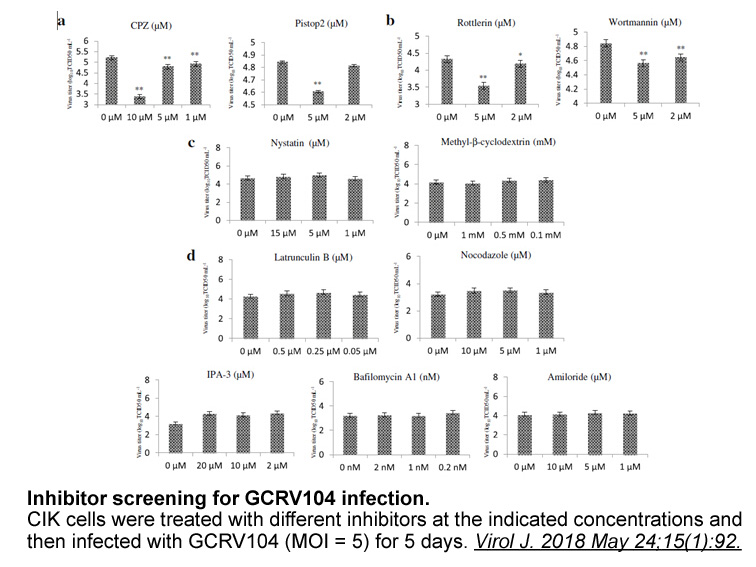
Considering their good FAAH inhibitory activity, compounds and have been selected for an in vivo study in a DSS-induced colitis model. Specific Pathogen Free male 7weeks old C57/Bl6 mice received 2.5% DSS in drinking water during 8days. Concomitantly, they were administrated daily intraperitoneall
-
SRT 1720 To discriminate the peripheral and central involvem
2022-05-16
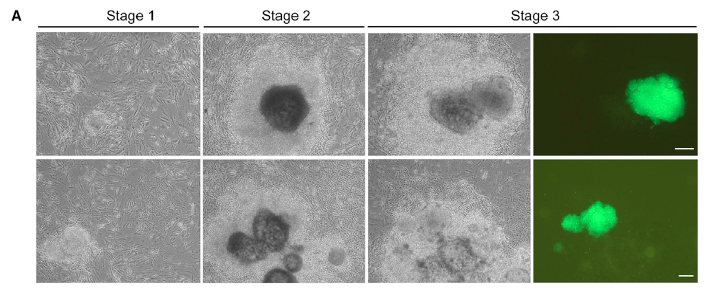
To discriminate the peripheral and central involvement of FAAH in paracetamol action, we proposed a pharmacological strategy challenging the analgesic action of paracetamol observed in an inflammatory context with either a peripherally-restricted FAAH inhibitor (URB937, Clapper et al., 2010, Moreno-
-
Although oxidative stress induces a
2022-05-16
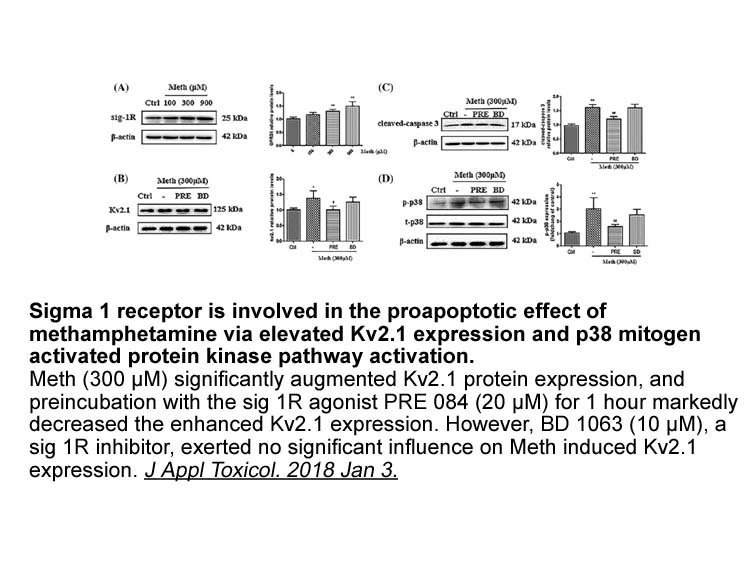
Although oxidative stress induces a decrease in intracellular ATP level, the underlying mechanism is obscured. We hypothesized that oxidative stress induced by H2O2 could decrease astrocytes ATP level through lysosome exocytosis in Ca2+-dependent pattern. In present study, using H2O2 stimulation to
-
The molecular mechanisms underlying spindle orientation are
2022-05-13
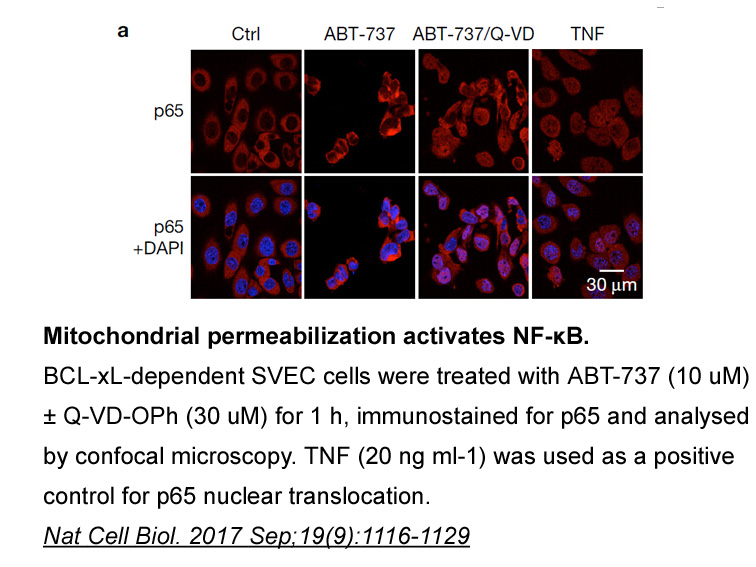
The molecular mechanisms underlying spindle orientation are still largely unknown. Budding yeast has been used to study spindle positioning and asymmetric cell division. Indeed, after cytokinesis, daughter cells have different sizes. The cell division plane is established early in the cell cycle and
-
Interestingly in vivo infusion and
2022-05-13
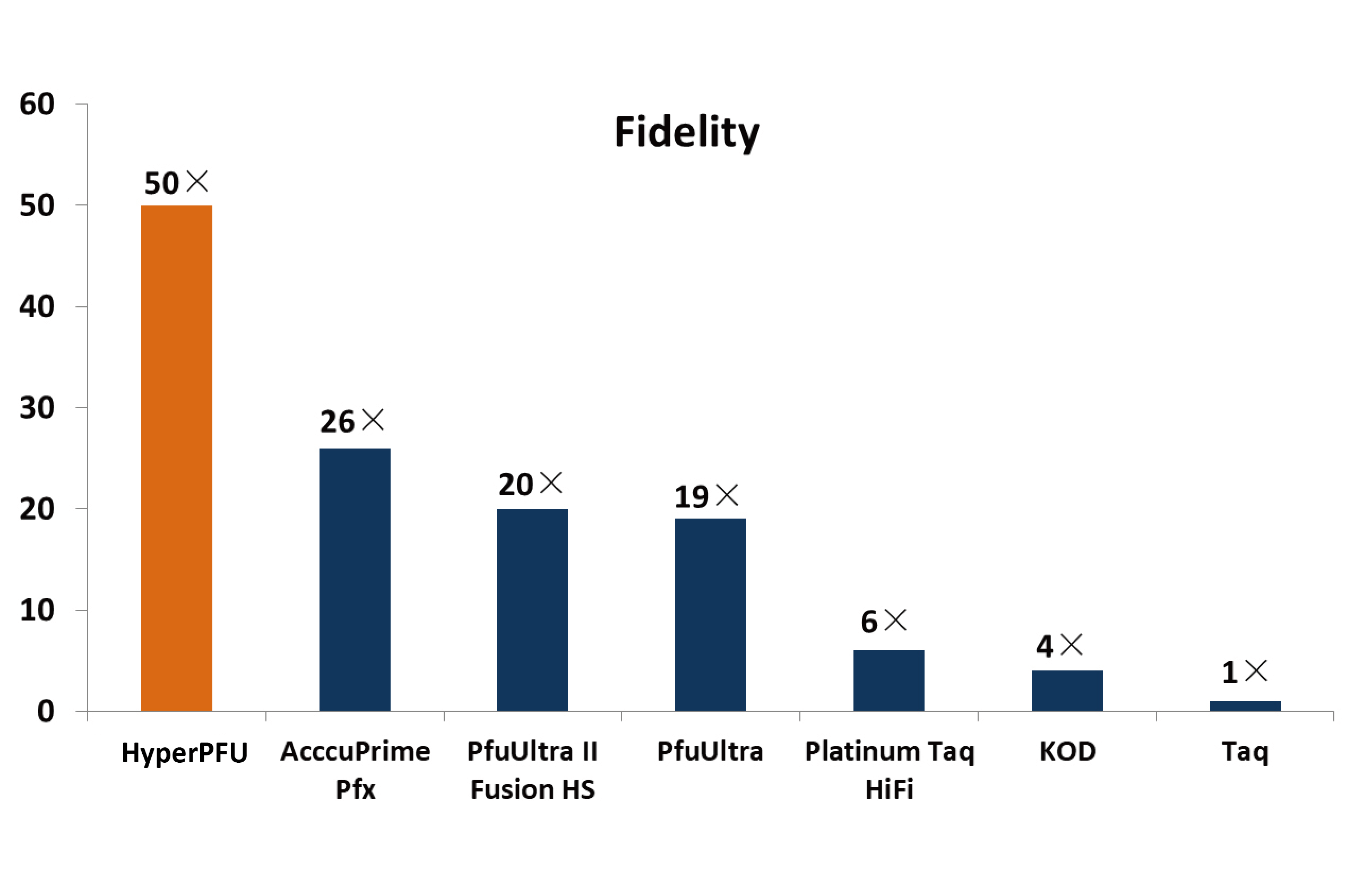
Interestingly, in vivo infusion and uptake of Ang II in intact mice indicated that multiligand endocytic receptor megalin has at least some role in the uptake of Ang II and the downstream signaling process in proximal tubule Cyclosporine (PTCs) in vivo [173]. Earlier in vivo studies showed that PTC
-
Compounds and were tested for pharmacodynamic
2022-05-13
Compounds , and were tested for pharmacodynamic effects in a mouse oral glucose tolerance test (oGTT) in wild-type and GPR120 deficient mice, and each compound demonstrated GPR120 mechanism-based effects. Data for compound is shown in , indicating mechanism-based reduction in glucose excursion a
-
In summary we discovered azaindole substituted hydroxypyrido
2022-05-13

In summary, we discovered 7-azaindole substituted -hydroxypyridone as a potent zinc-binding GLO1 inhibitor (IC=11nM) through lead generation from HTS and structure-based inhibitor design. The X-ray cocrystal structure and the comparison of binding energies with the indole counterpart revealed that b
-
Depending upon the varied habitats e g soil
2022-05-13
Depending upon the varied habitats (e.g. soil, water, animal digestive tracts, etc.), microbes possess a diverse range of carbohydrate ABC transporters and metabolic pathways (Rodionov et al., 2013; Bräsen et al., 2014). Thermus thermophilus HB8, a thermophilic gram-negative bacterium dwelling in ho
8514 records 493/568 page Previous Next First page 上5页 491492493494495 下5页 Last page